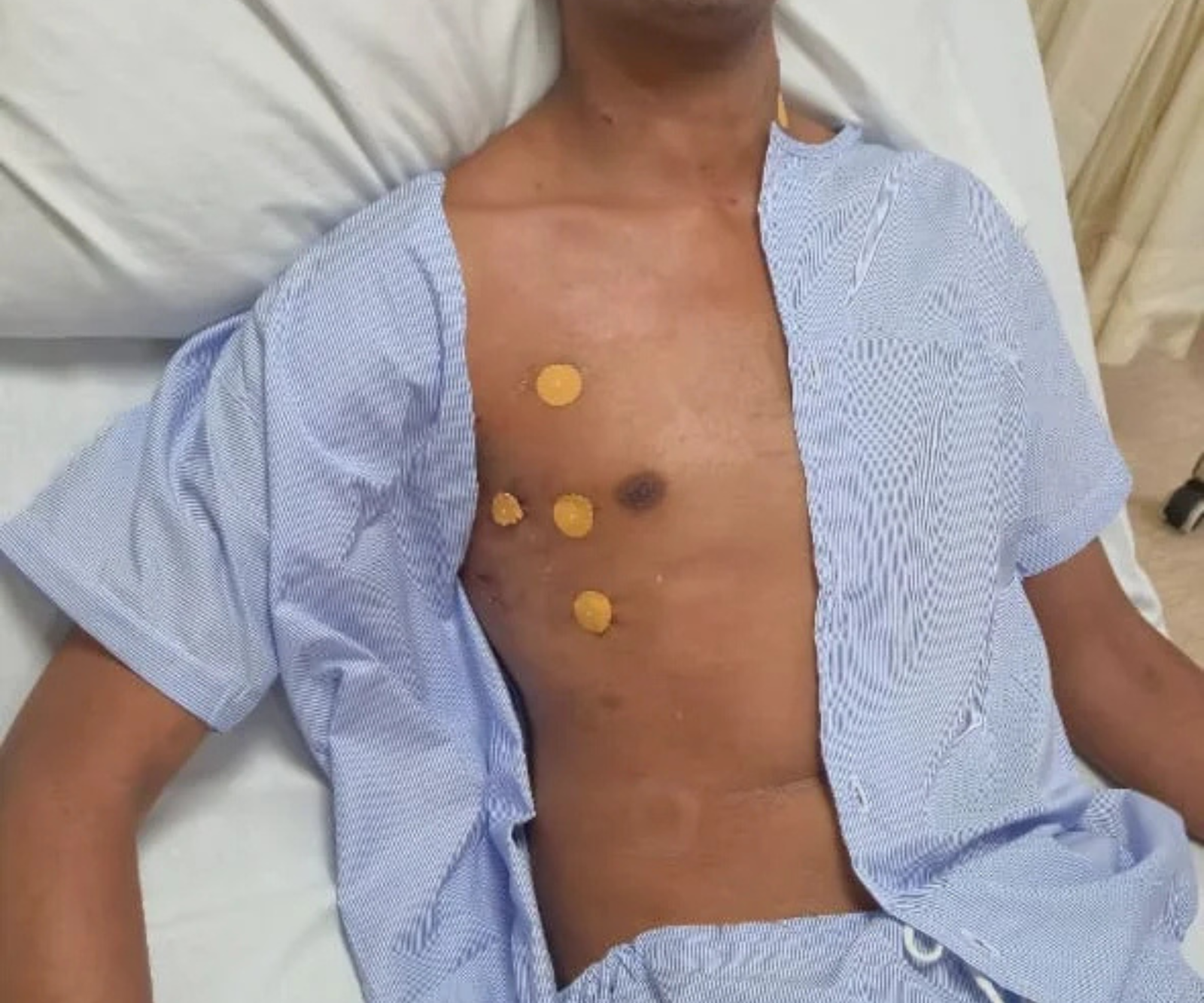
Robotic ASD Closure
Robotic ASD Closure is an advanced minimally invasive cardiac procedure used to repair an Atrial Septal Defect (ASD) with the help of robotic surgical technology. Unlike traditional open-heart surgery, robotic ASD closure is performed through tiny incisions between the ribs without opening the chest bone, resulting in faster recovery, less pain, and minimal scarring.
Using high-definition 3D visualization and robotic-assisted precision, surgeons can perform complex heart defect repairs with enhanced accuracy and improved patient comfort.
What is Atrial Septal Defect (ASD)?
An Atrial Septal Defect (ASD) is a congenital heart defect characterized by a hole in the wall (septum) that separates the upper chambers of the heart (atria). This opening allows oxygen-rich and oxygen-poor blood to mix, which can increase pressure on the heart and lungs over time.
If left untreated, ASD may lead to complications such as heart enlargement, irregular heartbeat, pulmonary hypertension, or heart failure in adulthood.
What is Robotic ASD Closure?
Robotic ASD Closure is a minimally invasive heart surgery performed using robotic-assisted technology to close the hole in the atrial septum. Small incisions are made between the ribs, and robotic instruments along with a high-definition camera are used to repair the defect with exceptional precision.
This modern approach avoids large chest incisions and offers quicker recovery compared to conventional open-heart surgery.
Symptoms of ASD
- Shortness of breath
- Fatigue or weakness
- Palpitations or irregular heartbeat
- Frequent respiratory infections
- Swelling in legs or feet
- Difficulty during physical activity
Benefits of Robotic ASD Closure
Minimally Invasive Procedure
Surgery is performed through tiny keyhole incisions without opening the chest bone.
Faster Recovery
Patients recover faster and can return to normal activities earlier.
Less Pain & Minimal Scarring
Smaller incisions lead to reduced pain and cosmetically better results.
Reduced Blood Loss
Robotic precision helps minimize bleeding during surgery.
Lower Risk of Infection
Avoiding sternotomy significantly reduces the risk of wound complications.
Enhanced Surgical Precision
Robotic systems provide magnified 3D vision and highly accurate movements.
How is Robotic ASD Closure Performed?
- Small incisions are made between the ribs.
- Robotic instruments and a high-definition camera are inserted through the ports.
- The surgeon controls the robotic system from a specialized console.
- The ASD defect is identified and repaired using advanced robotic precision.
- The surgery is completed without opening the chest bone.
Who is a Suitable Candidate?
Robotic ASD Closure may be suitable for patients who:
- Have moderate to large ASD defects
- Require surgical closure of ASD
- Prefer minimally invasive treatment options
- Are medically fit for robotic-assisted cardiac surgery
- Want quicker recovery and minimal visible scarring
A complete cardiac evaluation including echocardiography, CT scan, and other investigations is necessary before planning robotic ASD closure surgery.
Recovery After Robotic ASD Closure
Recovery after robotic ASD closure is generally faster compared to traditional open-heart surgery. Patients usually experience less discomfort, shorter hospital stay, smaller scars, and faster return to daily routine activities.
Regular follow-up, medications, and healthy lifestyle practices are important for maintaining long-term heart health after surgery.
Why Choose Dr. Lalit Malik?
Dr. Lalit Malik specializes in advanced minimally invasive and robotic cardiac surgeries with expertise in congenital and structural heart defect repairs. His patient-focused approach, precision surgical techniques, and commitment to advanced cardiac care help ensure safe procedures and faster recovery outcomes.
Book a Consultation
Consult Dr. Lalit Malik to know whether Robotic ASD Closure is the right treatment option for your heart condition.
Book Appointment